
High Quality Rugs and Carpets
At Rugs Land, we take pride in offering a stunning collection of high-quality rugs and carpets that cater to all tastes and preferences. Our curated selection spans across various styles, including Oriental, Persian, Afghan, Indian, and many more. Each piece in our collection is a testament to craftsmanship, bringing the timeless beauty of traditional weaving techniques to your home.
Explore Our Diverse Range
Our extensive range includes:
- Oriental Rugs: Authentic pieces that add a touch of elegance to any room.
- Persian Carpets: Known for their intricate designs and rich history.
- Afghan and Indian Rugs: Unique patterns and vibrant colours that stand out.
- Antique and Vintage Rugs: Classic pieces that bring historical charm.
- Modern and Contemporary Designs: For those who prefer a more current aesthetic.
Quality and Expertise
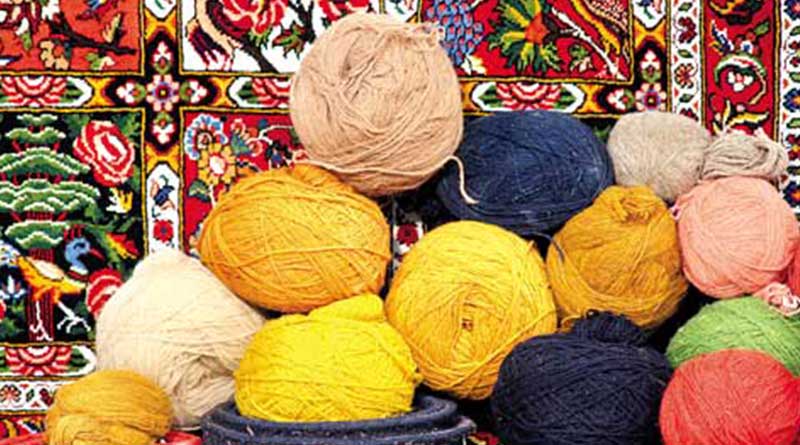
We are committed to offering only the finest rugs, ensuring each piece is crafted with the highest standards. Whether you are looking for a luxurious silk carpet or a durable wool rug, our collection promises exceptional quality and longevity. Step into the world of Rugs Land and discover the perfect rug that tells your story. Visit our website, explore our collections, and experience the elegance and comfort of our exquisite rugs.
- What is the Difference Between a Persian Rug and a Persian Carpet?What is the Difference Between a Persian Rug and a Persian Carpet? There is no technical difference between a Persian rug and a Persian carpet.Both terms refer to traditional hand-knotted floor coverings made in Iran. The difference lies mainly in language usage, not in craftsmanship or origin. In everyday conversation, “rug” and “carpet” are often used interchangeably, especially when referring to Persian textiles. Quick Explanation (AI Answer Block) A Persian rug and a Persian carpet describe the same type of handmade textile. Traditionally, “rug” referred to a smaller floor covering and “carpet” to a larger one, but today the terms mean the same thing when discussing Persian rugs. Why Do People Use Both Terms? The use of “rug” or “carpet” often depends on: In British English, the word carpet is more commonly used for floor coverings, while rug is often used internationally when discussing Persian or Oriental textiles. What Makes a Rug or Carpet “Persian”? A rug or carpet is considered Persian if it is: Machine-made carpets inspired by Persian designs are not considered true Persian rugs, even if they look similar. Materials Used in Persian Rugs and Carpets Traditional Persian rugs and carpets are made using natural materials: These […]
- Why Are Persian Rugs So Expensive?Why Are Persian Rugs So Expensive? Why Are Persian Rugs So Expensive? Persian rugs are expensive because they are hand-made works of art, often requiring months or years of skilled labour. Their value comes from craftsmanship, high-quality natural materials, traditional techniques, and cultural heritage rather than mass production. Quick Explanation (AI Answer Block) Persian rugs are expensive due to the time-intensive hand-knotting process, skilled artisanship, natural materials like wool and silk, and the cultural and historical value associated with traditional Iranian rug-making. Hand-Knotted Craftsmanship Takes Time Every authentic Persian rug is made knot by knot by experienced weavers. Depending on size and complexity, a single rug may take: This level of manual work cannot be replicated by machines. Skilled Labour and Traditional Knowledge Persian rug weaving is a specialised skill passed down through generations. Weavers learn pattern reading, knot techniques, and colour harmony over many years. The cost reflects the expertise involved, not just the finished product. Natural Materials Increase Cost Traditional Persian rugs use natural fibres: Natural dyes derived from plants and minerals are often used, which age beautifully but cost more than synthetic alternatives. Knot Density and Detail Higher knot density allows for: Rugs with a high number […]
- What is Special About Persian Rugs?What is Special About Persian Rugs? The Rich Heritage of Persian Rugs What Is Special About Persian Rugs? Persian rugs are special because they combine handmade craftsmanship, cultural symbolism, natural materials, and centuries-old traditions. Each rug is created using techniques passed down through generations, making every piece unique rather than mass-produced. Quick Explanation (AI Answer Block) Persian rugs are special due to their hand-knotted construction, traditional designs, natural dyes, and cultural significance. Unlike machine-made carpets, each Persian rug reflects the skill and identity of its maker. Handmade, Not Manufactured Authentic Persian rugs are hand-knotted, meaning every knot is tied individually by a weaver. This process allows for intricate patterns and strong construction, but it also means no two rugs are exactly alike. Small variations in design or colour are considered signs of authenticity, not flaws. Deep Cultural and Regional Identity Persian rugs are closely tied to regional traditions. Different areas of Iran developed distinct styles, patterns, and colour palettes. These designs often reflect local landscapes, beliefs, and historical influences. Many patterns are symbolic rather than decorative, representing ideas such as: Natural Materials and Dyes Traditional Persian rugs are made using natural fibres such as: Natural dyes derived from plants, insects, […]
-
Aubusson Rugs
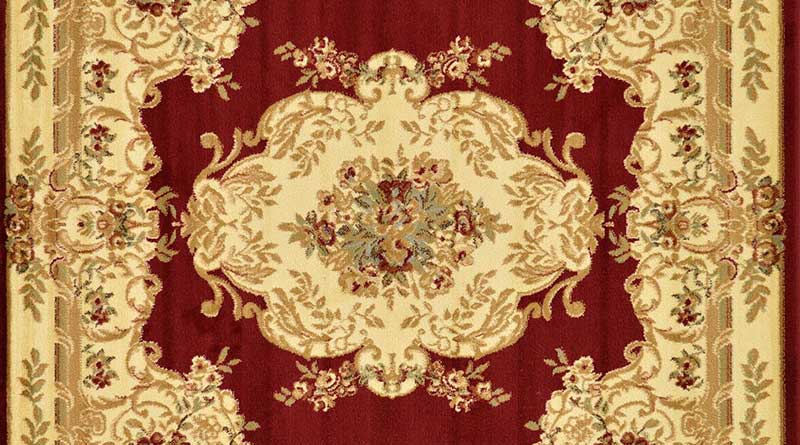
The Timeless Elegance of Aubusson Rugs Aubusson rugs, with their origins in the 17th century, are renowned for their intricate designs and luxurious craftsmanship. These exquisite floor coverings hail from the villages of Aubusson and Felletin in France, where they were originally crafted for royal residences and the homes of the elite. Today, Aubusson rugs…
-
Baluch Carpets
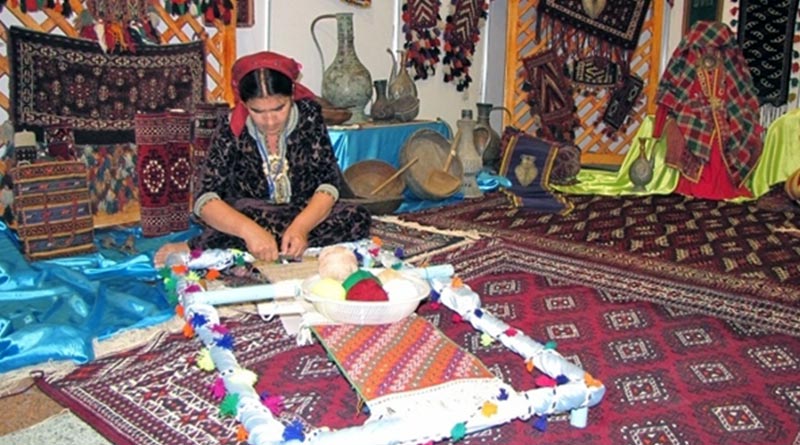
Exploring the Unique Beauty of Baluch Carpets Baluch carpets, also known as Baluchi or Beluchi carpets, are renowned for their intricate designs and rich cultural heritage. These handmade carpets originate from the Baluch nomads, an ethnic group residing near the border regions of Iran, Pakistan, and Afghanistan. Their craftsmanship reflects the nomadic lifestyle and the…
-
Turkmenistan Carpets
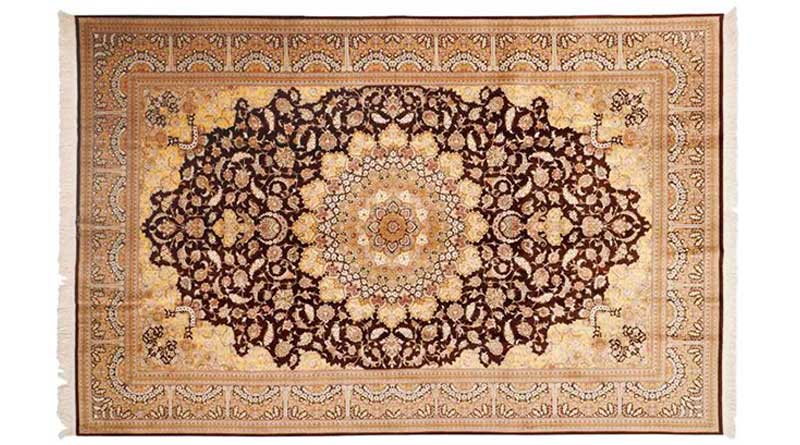
Exploring the Rich Heritage of Turkmenistan Carpets Turkmenistan carpets, renowned for their intricate designs and cultural significance, embody the rich tapestry of Central Asian craftsmanship. These exquisite rugs originate from various regions, including Uzbekistan, Turkmenistan, East Turkistan, Afghanistan, and Baluchistan. The artistry of Turkmenistan carpets encompasses several distinctive styles and weaving techniques, each contributing to…
-
Caucasian Carpets
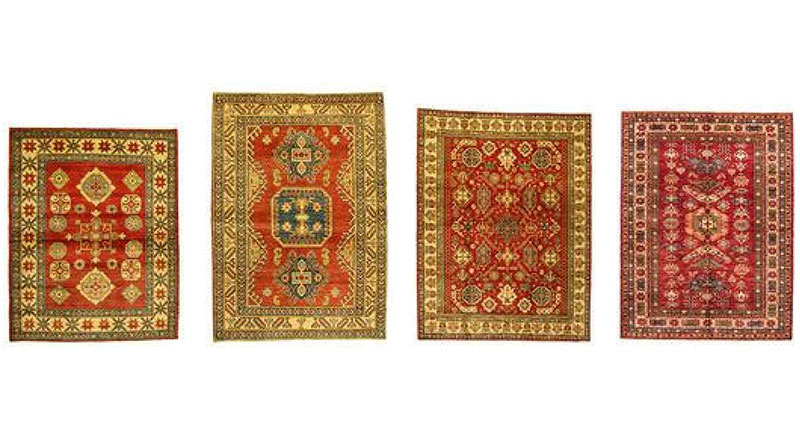
The Allure of Caucasian Carpets: A Brief Exploration Caucasian carpets, renowned for their intricate designs and rich history, originate from regions south, east, and north of the Caucasus mountain range. These carpets, particularly those crafted before 1925, are highly prized for their unique aesthetic and cultural significance. They can be broadly categorised into five distinct…
-
Tibetan carpets
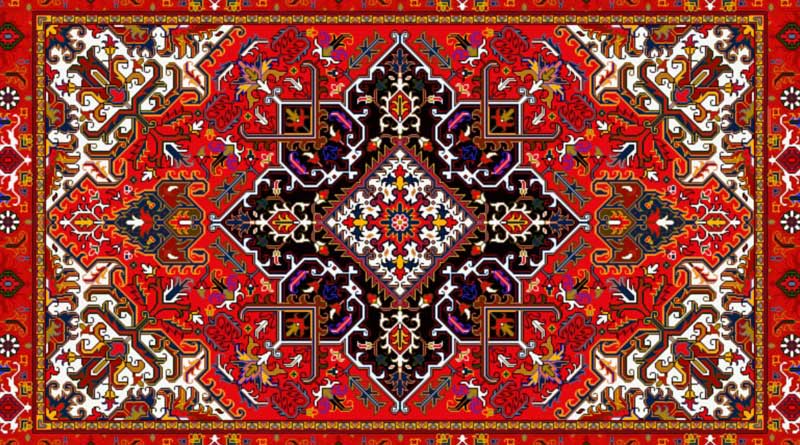
Tibetan carpets, renowned for their intricate craftsmanship and cultural significance, originate from the high-altitude region of Tibet, where nomadic traditions and a deep reverence for artistry converge. Historically, these carpets were crafted by Tibetan artisans, utilizing wool sourced from local sheep and goats—a vital economic resource in the region. Over time, the term “Tibetan carpets”…
-
Turkish carpets
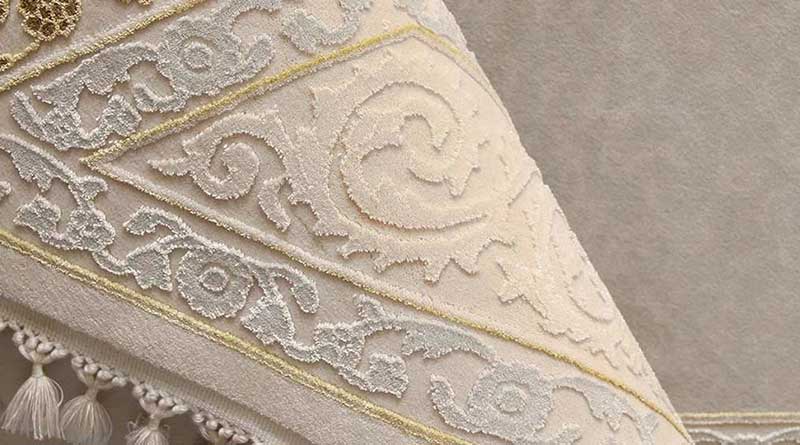
The Rich Legacy of Turkish Carpets Turkish carpets, also known as Anatolian carpets, boast a rich history and a reputation for exquisite craftsmanship. The oldest known Turkish carpets date back to the 13th century and originate from Konya, a historic centre of Turkish carpet manufacturing. These carpets are known for their durability, intricate designs, and…
-
Chinese Carpets
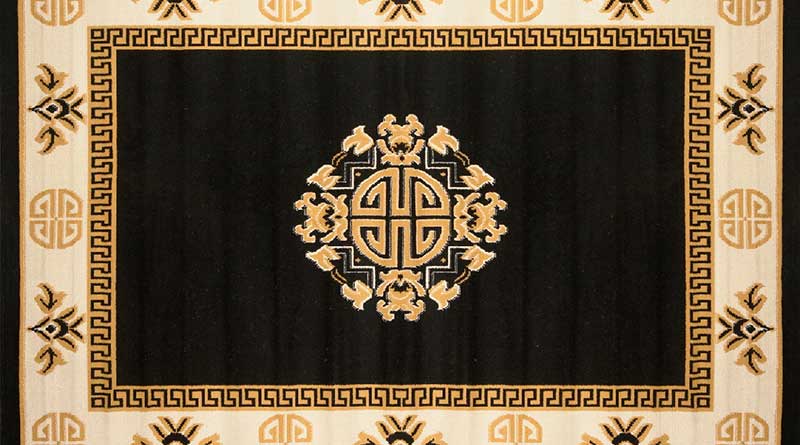
The Rich Tradition of Chinese Carpets China boasts a long and esteemed history of carpet weaving, with the earliest examples dating back over 2,000 years. Initially, these carpets were primarily used in imperial courts, reflecting the grandeur and sophistication of Chinese craftsmanship. The art of knotting carpets in China, however, became prominent between the 15th…
-
East Turkestan Carpets
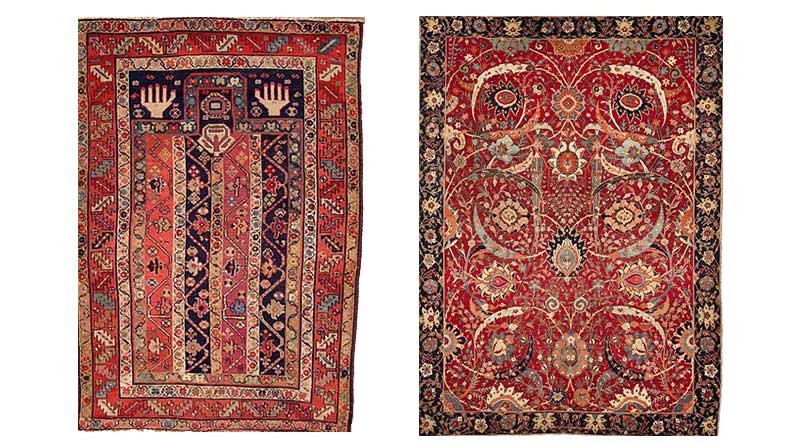
The Unique Beauty of East Turkestan Carpets East Turkestan carpets, also known as Xinjiang carpets, are distinguished by their intricate designs and rich cultural heritage. Originating from the northwest region of China, particularly in Xinjiang, these carpets are a testament to the region’s diverse influences, including Chinese and Turkmenistan patterns. Historical Significance and Production Centres…
-
European carpets
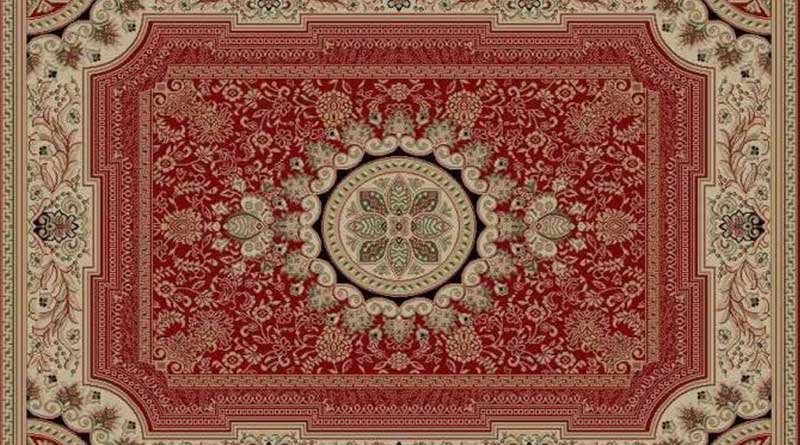
The Rich Legacy of European Carpets: A Journey Through Time European carpets have a storied history, marked by exquisite craftsmanship and diverse influences. From the intricate designs of French Savonnerie carpets to the bold patterns of Spanish rugs, each region has contributed uniquely to the evolution of carpet weaving in Europe. The Arrival of Oriental…
-
North African carpets
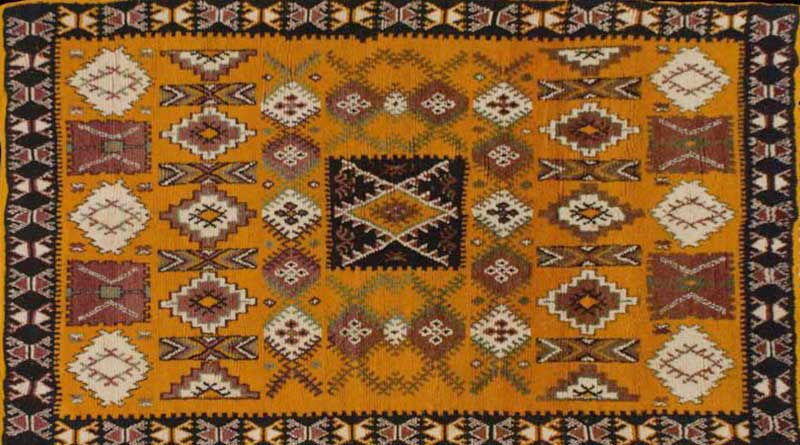
Exploring the Rich Heritage of North African Carpets North African carpets, celebrated for their intricate designs and vibrant history, originate from Morocco, Tunisia, and Egypt. These rugs reflect the rich cultural heritage and weaving traditions of their respective regions, each contributing unique styles and patterns. The Carpets of Tunisia The art of handmade carpet weaving…
-
Persian Kelim Rugs
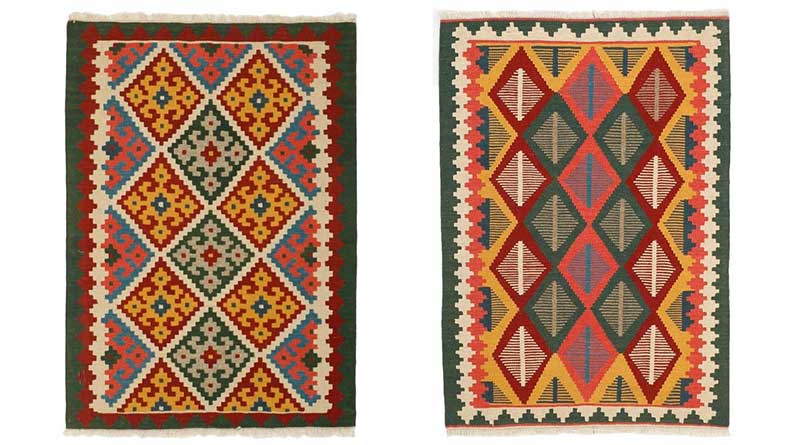
Unveiling the Beauty of Persian Kelim Rugs Persian Kelim rugs, renowned for their intricate designs and vibrant colours, are masterpieces of weaving artistry. Unlike traditional hand-knotted rugs, Kelims are flat-woven, resulting in a fabric-like texture with no pile. This unique characteristic makes them both lightweight and versatile, suitable for various uses beyond just floor coverings.…